

Whether you’re changing careers, starting a business, or job hunting, working from home alone can feel like trying to conduct a symphony while riding a unicycle in your pajamas. (Try picturing that!) Between the siren call of Netflix, the mountain of laundry giving you side-eye, and your cat’s impromptu Zoom cameos, productivity can seem impossible.
But fear not! These 10 battle-tested tips will help you crush your goals and keep your sanity, even when life feels like a circus.
1. Carve Out Your Command Center
Start by creating a dedicated workspace that feels like your personal HQ. Even if it’s just a corner of your dining table, set it up with intention. Clear clutter by sweeping everything into a box. Only put back essentials you use every day: your laptop, planner, favorite pen, and that photo of someone who inspires you. Add a small plant, a candle, or artwork that sparks joy.
This space should whisper ‘professional powerhouse,’ not ‘forgotten corner of chaos.’ When you sit here, you’re on the clock, and when you leave, you’re off. Having a visual and mental boundary between work and home life is critical during times of change when your focus needs every advantage it can get.
👉 Why it works: A designated space helps your brain switch into ‘work mode’ and signals to others that you’re not just hanging out with your laptop for fun.

2. Start Your Day Like You Mean It
It’s tempting to roll out of bed and shuffle straight to your laptop, but how you start your day sets the tone for everything that follows. Create a morning routine you look forward to, one that signals to your brain, ‘We’re getting things done today!’
Wake up at the same time each day. Make your bed. Do some light stretches or a 5-minute meditation. Enjoy your coffee without rushing, and change into clothes that make you feel like you’re stepping into your best self (more on that below). Consistency will train your brain to recognize the shift from rest to action, helping you show up with more energy and clarity, even when you’re navigating the uncertainty of a career transition.
👉 Why it works: A morning ritual draws a line between ‘sleepy you’ and ‘powerhouse you’ and helps prevent the workday from feeling like a continuation of bedtime.
3. Create Your Work Costume

This doesn’t mean you need a power suit, but what you wear directly affects how you feel. Choose outfits that are comfortable enough for working from home yet put-together enough that you’d feel okay answering an unexpected video call. Think of your ‘work costume’ as your personal productivity uniform.
Whether it’s your favorite sweater that makes you feel cozy but confident or a necklace that reminds you of your strength, choose items that help you step into your role each day. Changing out of your ‘work costume’ at the end of the day can also signal that it’s time to switch back to personal mode, giving your brain a clear line between work and relaxation, crucial when you’re trying to avoid burnout.
👉 Why it works: What you wear can affect how you feel and how you show up in meetings, pitches, or networking calls.
4. Play Time-Block Tetris
Time-blocking is a game changer, especially when you’re juggling the emotional rollercoaster of a career change. Instead of just writing a to-do list, schedule each task directly on your calendar in color-coded blocks. Use red for deep-focus work, blue for meetings, yellow for breaks, and green for creative or exploratory tasks.
Each night, look at the next day’s calendar and play ‘Tetris’ with your time: fit tasks together so they don’t overwhelm you. Leave 5–10 minute gaps between blocks to handle the unexpected—because life will throw curveballs. This simple yet powerful practice helps you set realistic expectations for your day, avoid overcommitting, and build momentum by focusing on one thing at a time.
👉 Why it works: This approach keeps your day from turning into one big blur and makes you the boss of your own time.
5. Set Boundaries (With Love)
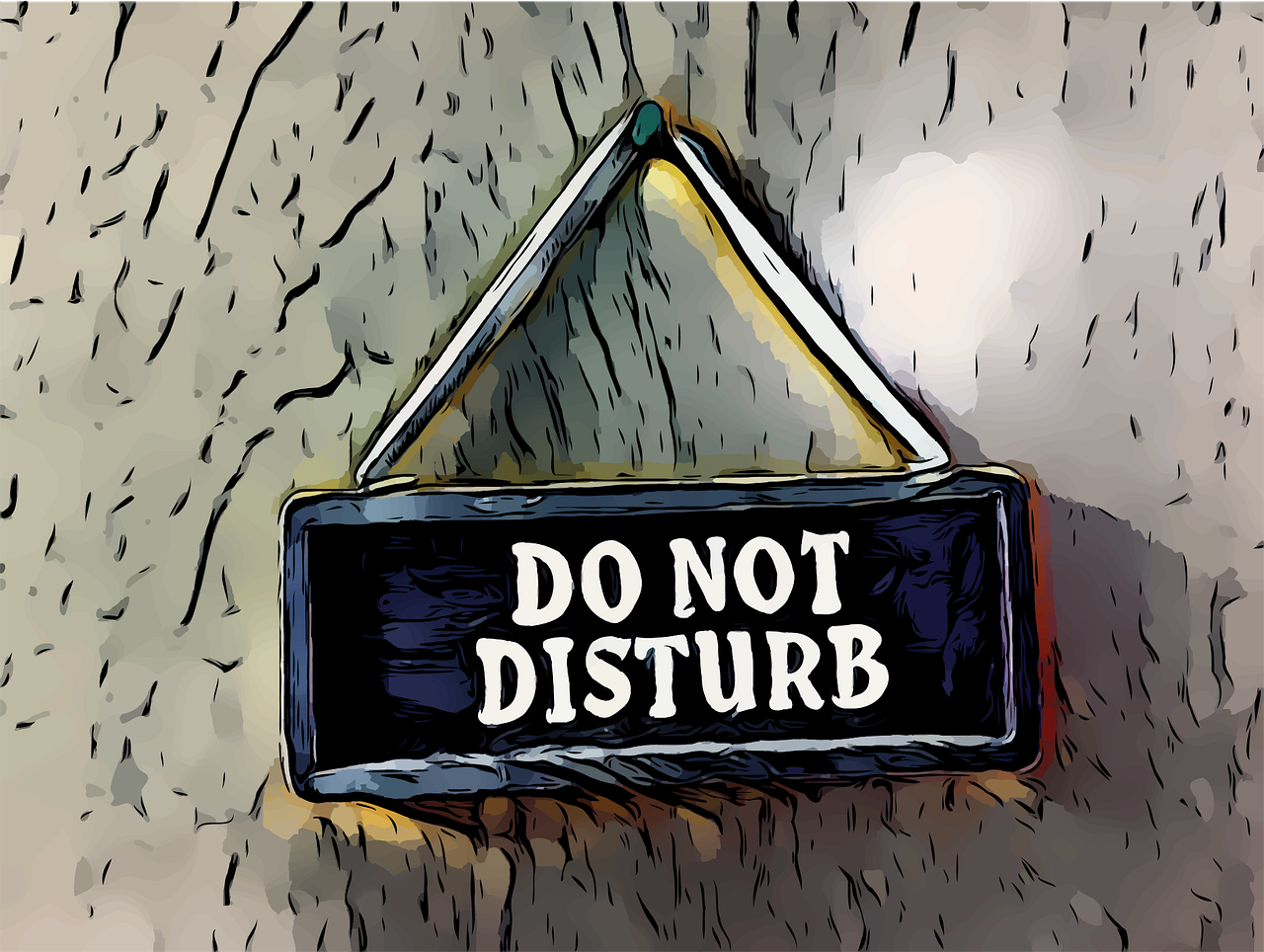
When your office is also your home, boundaries are your lifeline. Set expectations with family, roommates, or anyone you share space with. Create a visible signal: a closed door, headphones on, or a ‘Do Not Disturb’ sign so they know when you’re unavailable.
Boundaries aren’t just for others; set them with yourself, too. Decide your work hours and stick to them. Avoid the temptation to answer emails during dinner or check Slack from your bed. Remember, boundaries aren’t walls to keep people out; they’re guidelines that help you protect your energy, focus, and mental health, especially when career changes can feel like you’re on a constant emotional high wire.
👉 Why it works: Clear boundaries help protect your focus and reduce the frustration of constant interruptions.
Schedule Joy Breaks
It’s easy to get sucked into an eight-hour vortex of back-to-back calls and to-do lists. But breaks aren’t a luxury. They’re an essential productivity tool. Every 90 minutes, set an alarm to take a short break. Step away from your desk, do a few stretches, dance around your kitchen to your favorite song, or simply sit quietly with a cup of tea.
Think of these as joy breaks that refuel your mind and body. Not only will they boost your focus, but they’ll also help you maintain a positive mindset, which is vital when self-doubt starts creeping in during a big life transition. These tiny moments of joy make the workday more sustainable and a lot more fun.
👉 Why it works: Breaks help prevent burnout, improve focus, and give you a reason to smile during the day.
7. Tame the Technology Tiger
Your phone and computer can be your best tools or your biggest productivity traps. Take 10 minutes to set yourself up for success: silence non-essential notifications, use website blockers during focused work sessions, and put your phone in another room or drawer when you need deep concentration.
Think of your tech as a well-meaning but chatty friend who needs ground rules. By controlling when and how you interact with devices, you’ll stay focused on your priorities instead of spiraling into endless scrolling—something that’s especially tempting when the stress of a job search or new project makes procrastination feel extra appealing.
👉 Why it works: Distraction is expensive. Every interruption costs mental energy to recover. The fewer interruptions, the stronger your momentum.
8. Start Your Victory List
Big goals can feel paralyzing, so break them down into three daily wins. Each morning, write down three specific, achievable tasks that will make you feel accomplished by day’s end. These could be as simple as ‘update LinkedIn profile,’ ’email three contacts,’ or ‘finish that tricky proposal.’
Keep your list where you can see it, and celebrate each checkmark. This practice turns your to-do list into a motivational tool rather than a source of dread. Plus, it provides a sense of momentum that helps combat the overwhelm that often comes with career transitions.
👉 Why it works: Focusing on a few key tasks helps you make real progress without getting lost in the noise.
9. Stay Connected (But Not Too Connected)
Career changes can feel lonely, like you’re adrift in a sea of resumes, applications, or big ideas with no one to share the highs and lows. That’s why intentional connection is your secret weapon. Schedule time each week for a virtual coffee chat with a friend, a quick check-in with a mentor, or a chat with a fellow professional going through something similar. These conversations remind you you’re not alone, and sometimes the right words from the right person can reignite your motivation faster than any productivity hack.
Want to expand your circle? Join online communities or professional groups in your field (yes, including ours!). Post in forums, comment on LinkedIn updates, or attend virtual meetups. Don’t underestimate the power of simply reaching out to say, ‘Hey, I’ve been thinking of you. How are things going?’
But remember: connection doesn’t mean constant availability. Set boundaries around your communication so you’re not glued to Slack, emails, or messages all day. Silence notifications during focus times and let people know you’ll respond during set windows.
👉 Why it works: Real connection combats isolation and builds the supportive network you need to thrive during a transition without letting socializing turn into another distraction.
10. Design Your End-of-Day Ritual
Just as you start your day with intention, end it with a ritual that signals you’re off the clock. Tidy your desk, write tomorrow’s top three priorities, and close your laptop with a sense of completion. Maybe you light a candle, take a short walk, or change into your comfiest clothes—whatever helps your mind transition to personal time.
These end-of-day cues are especially powerful when working from home, because they draw a clear line between your professional and personal life. During big transitions, when your brain is already juggling a million questions about the future, this ritual can help you unwind and recharge for tomorrow.
👉 Why it works: It’s too easy for work to spill into all hours. A clear endpoint protects your well-being.
Remember:
Productivity isn’t about being perfect or doing everything at once. It’s about creating habits and systems that support your goals, especially during the uncertainty of a career transition. Try a few of these tips today, tweak them to fit your unique situation, and celebrate the small wins. You’ve got this! And yes, your cat thinks you’re crushing it too.
Sara Hickson